You Must Be a Subscriber to View This Page

Third Sunday of Easter • Year A
April 19, 2026
Click on black & white clipart (above left) or color photo-graphic (above) to view and download full resolution graphics for use on bulletin covers. Tutorials available. Image
Historical Collect
O God, by the humiliation of your Son, you raised up this fallen world. Teach us whom you have rescued from endless death to have the fullness of eternal joy, through the same Jesus Christ, your Son, our Lord. For he lives and reigns with you and the Holy Spirit, one God, now and forever. Amen. (Gelasian Sacramentary, 7th Century)
Thematic Collect
Living God, Jesus reveals himself and is present with us in the breaking of the bread. May our hearts burn within us and our eyes be opened to his presence among us and for us through his redeeming work; through your Son, Jesus Christ, our Savior and Lord, who lives and reigns with you and the Holy Spirit, one God, now and forever. Amen.
The Common Thread
Because God is gracious and merciful, he extends forgiveness and the gift of his Spirit to all, throughout the generations. He delivers our souls from sin and death, so that we may walk with him as Adam did, in the land of the living. He accomplishes this by putting to death our old nature through baptism, a burial of the sinner into the death of Christ. In the process, he gives dead sinners new life through his own precious blood. This is why it was necessary for Christ to suffer and enter his glory: so that through him, we too may enter the glory of God’s eternal presence, as he always intended.
First Reading • Acts 2:14a, 36-41
Salvation is near when we can confess that Jesus is both Lord and Christ. The promise of deliverance is available to all who call on the name of the Lord (Joel 2:32). This transformation is marked by repentance, baptism, forgiveness, and the gift of the Holy Spirit. These four are essential to what it means to be Christian. Take away one of these things and conversion is incomplete. Yet, for those whom the Lord calls, the promise is sure — “for you and for your children and for all who are far off.”
Psalm • Psalm 116:1-14
When we call on the name of the Lord, we are pleading for his mercy. We may invoke God with confidence because he is merciful and gracious. Moreover, we may trust in his grace because he is righteous. “If we confess our sins,” he is not only faithful to forgive but just or righteous in doing so (1 John 1:9). He is right to forgive because he promised to do so (Isaiah 43:25; Jeremiah 31:34).
Second Reading • 1 Peter 1:17-25
God is no respecter of persons (Acts 10:34). Therefore, we cannot say “I go to church” or “I am a Lutheran” and expect this to make a difference to God. Nor may we expect what we do in the name of God to make a difference (Matthew 7:21-23), even though it sounds at first as if Peter claims that our deeds are what turn God’s head (1 Peter 1:17). We confess that good works spring from faith in the work of Christ, that works are merely evidence of our faith. Without such faith, there would be no good works for God to judge.
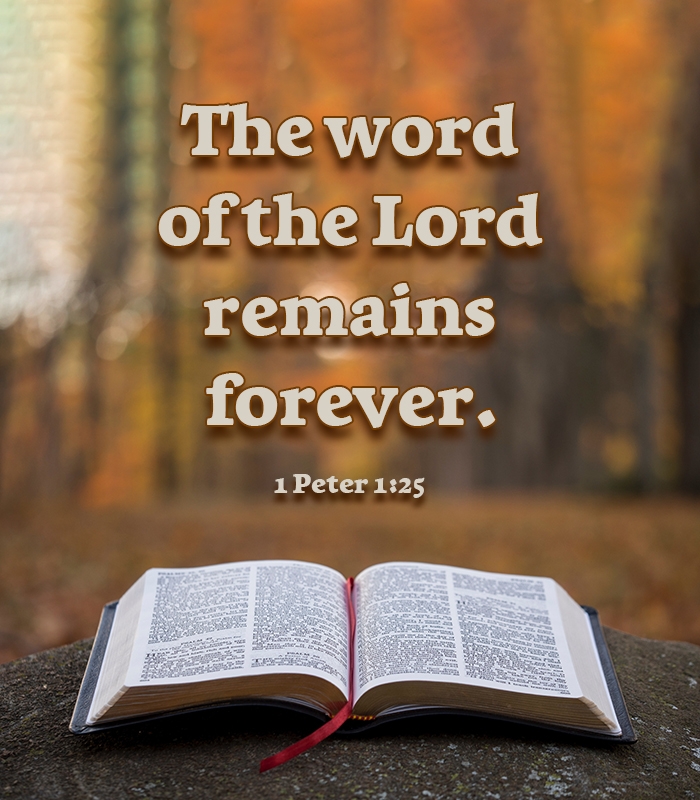
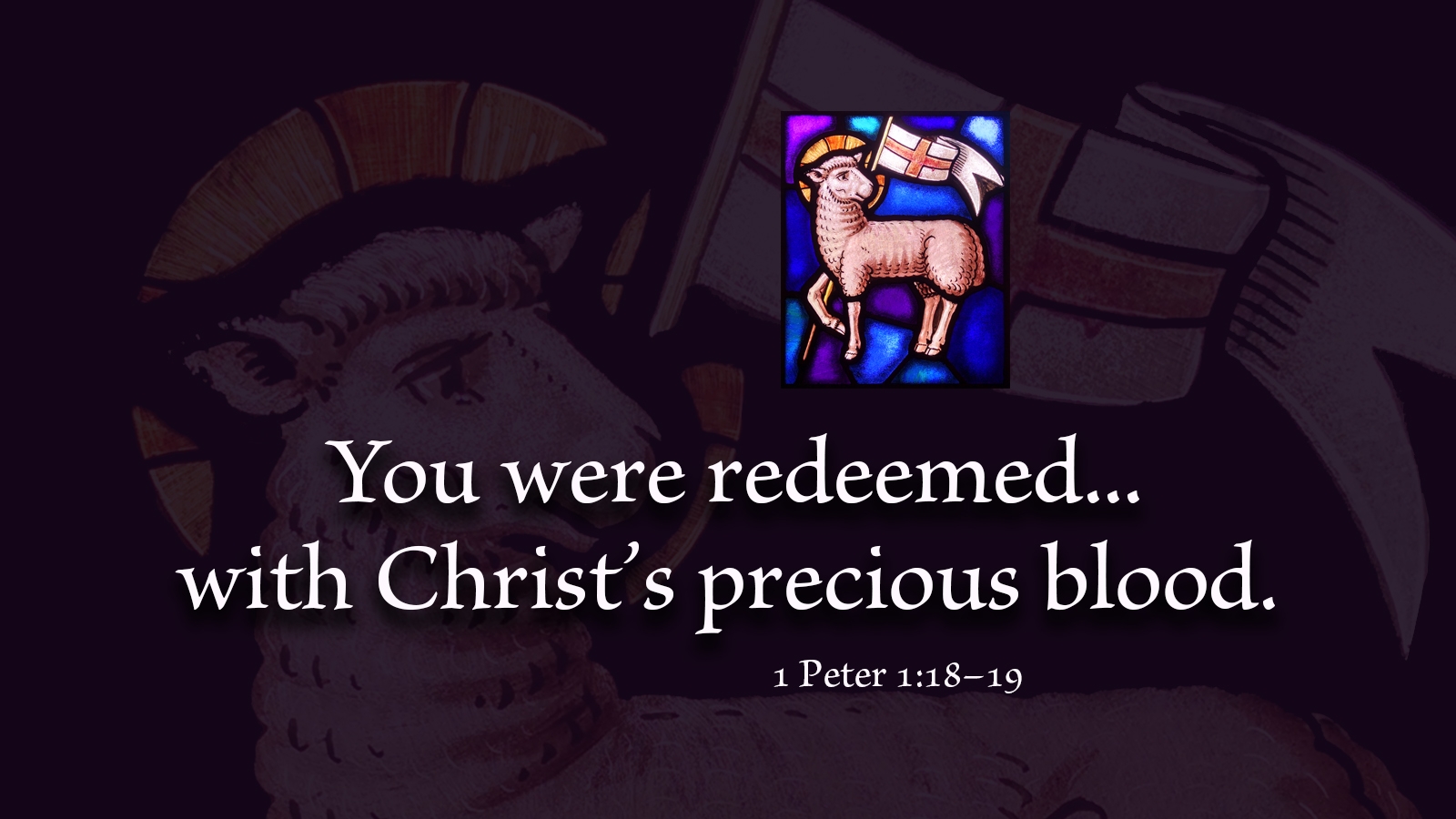
So, God does not respect the person or her deeds apart from her faith. All flesh and all that flesh does apart from faith is as temporary as flowers or grass. The word of the Lord, however, lasts forever, and his word says we are born again through the work of the Lamb who shed his precious blood for us. This is the good news that was preached to us and that we preach to others.
Gospel • Luke 24:13-35
The Emmaus story tells us of two dejected disciples who seem to know about the empty tomb. They also knew of Jesus’ claim that the Son of Man would rise on the third day (Luke 9:22, 18:33, 24:7). So why are they dejected when the tomb is empty and it would seem Jesus delivered on his promise of resurrection? Jesus was not found when the tomb was searched. The Lord, in the guise of a stranger on the road, urges them to believe what was written in the Scriptures. But their faith is lacking, and they confess that their hopes are dashed (Luke 24:21).
Jesus does not give up on them. He tarries long enough to explain the necessity of his death and resurrection and that this is fulfillment of Scriptures. Then he breaks bread with them — and they recognize him as their Lord.
Sometimes hope eludes us, even when we're faced with Scripture and clear evidence. But the Lord will not quit us. He will help us in our unbelief through his Spirit working in us through the Word.
Resources
Links to Worship Resources for this Service